










Receding Hairline For Men: Here’s What You Need To Know
Key Takeaways
- A receding hairline usually starts with thinning at the temples, forming an M shape that progresses slowly with age and genetics.
- The main cause is male androgenetic alopecia, heavily influenced by how your roots react to DHT, not shampoo choice or cap wearing.
- Early self checks using simple mirror angles and Norwood patterns help you confirm if the hairline is maturing or genuinely receding.
- Treatment paths fall into four groups: lifestyle tweaks, medications, in clinic procedures, and cosmetic upgrades such as SMP or hair systems.
- The best results come from early action, consistent routines, and speaking with a qualified doctor if recession continues over several months.
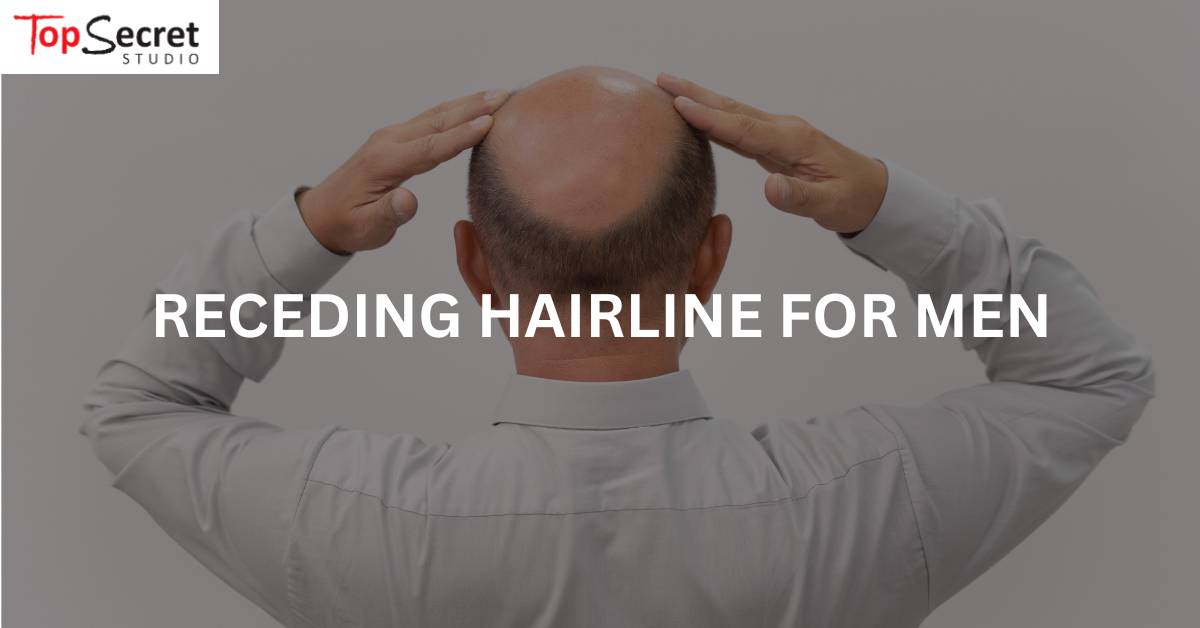
A receding hairline for men is usually the earliest visible sign of male pattern baldness. It begins at the temples, forms an M shape, and progresses gradually. The earlier you understand what stage you are at, the easier it is to slow things down or choose the right hair care treatment approach.
A receding hairline is one of those things you notice only when the bathroom lighting decides to be brutally honest.
The question then hits you. Is this normal, or is this the start of something bigger?
We understand this is a sensitive subject specially for men so let’s walk you through the signs, causes, self checks and treatment options.
Comparison Table: Treatment Options For A Receding Hairline
|
Option |
Works Best For |
Commitment Level |
Cost |
Notes |
|
Do Nothing |
Mild recession and slow changes |
Low |
Low |
Good for men comfortable with aging naturally. No prevention. |
|
Lifestyle Adjustments |
Early thinning with stress or sleep issues |
Medium |
Low |
Supports overall hair health but cannot stop genetic recession alone. |
|
Medications |
Early to moderate male pattern baldness |
High |
Medium |
Requires doctor review for safety and long term use. Often the most cost effective baseline. |
|
In Clinic Procedures |
Moderate recession or visible temple gaps |
Medium to high |
High |
Includes regenerative therapy and transplant methods. Results vary by stage and donor density. |
|
Cosmetic Options |
Men who want instant coverage |
Medium |
Medium to high |
Includes SMP and hair systems. Non medical, fast results. |
What Is A Receding Hairline And How Is It Different From A Mature Hairline?
A receding hairline begins with thinning at the temples and forms an M shape. A mature hairline shifts slightly higher during adulthood and then stabilises without ongoing loss.
Mature Headlines: What It Means
- Appears between the mid teens and mid twenties.
- Moves upward by about one to two centimetres.
- Remains stable once it settles.
- Not a sign of balding.
- Part of normal adult facial development.
Receding Hairline: How It Behaves
- Begins with slow erosion at the temples.
- Forms a deeper M shape over time.
- Centre frontal region may look unchanged early on.
- Best identified by comparing older photos under similar lighting.
Differences to Look For
Symmetry: A mature hairline usually shifts evenly. A receding hairline often starts on one side first.
Progression: A mature hairline stays stable. A receding hairline continues moving back over several months.
Pattern Shape: Mature hairline looks like a soft V. Receding hairline forms a sharper M.
Rule of Thumb
If the temple areas look slightly deeper every few months, the pattern typically suggests genuine recession rather than a temporary shed.
Simple Comparison
|
Feature |
Mature Hairline |
Receding Hairline |
|
Timing |
Late teens to twenties |
Any time after late teens |
|
Movement |
Small shift then stabilises |
Continuous backward movement |
|
Pattern |
Straight or soft V |
Clear M shape with temple thinning |
|
Progression |
None |
Gradual over months or years |
What Causes A Receding Hairline In Men?
The main cause is male androgenetic alopecia, a genetic condition where hair roots shrink because they are sensitive to DHT.
DHT Sensitivity
- Male pattern baldness happens when hair follicles react strongly to dihydrotestosterone.
- Hormone levels may be normal, but follicle sensitivity varies from person to person.
- This sensitivity makes roots miniaturise over time, especially at the temples.
What Does Not Cause Recession
Contrary to internet belief, wearing caps and using “wrong shampoos” don’t cause you to go bald faster.
- Hair Shampoo
- Styling clay
- Wearing caps
- Exercising or sweating
These can affect scalp cleanliness or comfort, but do not trigger genetic hair loss.
Factors That Speed Things Up
These do not cause male pattern baldness, but they can make recession progress faster:
- Poor sleep
- Sustained stress
- Heavy smoking
- Harsh chemical treatments
- Sweat buildup after sports
- Tight hairstyles that pull the front hairline
The Role of Age
Hair density naturally decreases with age and ultimately, this is what most men are fighting against. This overlaps with male pattern baldness and makes temple thinning more noticeable in the thirties and forties.
Other Possible Causes
Non genetic causes are less common but worth noting. They usually present differently from classic recession:
- Autoimmune conditions
- Nutritional deficiencies
- Skin disorders
- Sudden shedding or patchiness
- Redness or inflammation at the front
These cases tend to show abrupt changes, not a slow temple retreat.
“Approximately half of adult men experience noticeable male pattern baldness by age 50, with temple recession often being the earliest visible sign.”
How Do You Check If Your Hairline Is Really Receding?
The easiest way is to compare angles and lighting consistently, then map your hairline against known patterns such as the Norwood scale.
Step 1: Check Your Hairline Straight On
Look at your forehead in neutral lighting without tilting your head. This gives you the baseline shape of your front hairline.
Step 2: Tilt Your Chin Slightly Downward
This reduces shadows and reveals thinning more clearly. Natural daylight gives the most accurate view.
If you usually check after a shower, add a dry hair comparison because wet hair always looks flatter and thinner.
Step 3: Compare With Older Photos
Pull up photos from 1 or 2 years ago. Focus on the temples, not the centre. Most men misjudge recession by staring at the middle instead of the sides where thinning begins.
Step 4: Map Against the Norwood Scale
You do not need a perfect match. Use it as a guide to spot trends.
- Stage 1: Full, straight hairline
- Stage 2: Mild temple recession
- Stage 3: Clear M shape
- Stage 3 Vertex: M shape plus crown thinning
Step 5: Track Changes Over Time
Look for consistent shifts.
- If the same temple areas appear deeper every few months, recession is likely.
- If density fluctuates based on stress, diet, illness, or recovery, it may be temporary shedding instead of permanent loss.
Mini Checklist
- Compare dry and wet hair
- Look at multiple angles
- Review old photos
- Track changes across several months
Read more: Schwarzkopf Shampoo: Find the Right One for Your Hair Type
What Are The Main Treatment Options For Male Pattern Baldness?
Treatments fall into four categories: Lifestyle changes, medications, clinic procedures, and cosmetic solutions. Each supports a different stage of recession, so let's go over it.
1. Lifestyle Adjustments
These are ideal for early stage recession, especially if your routine includes late nights, irregular meals, or intense stress cycles.
These adjustments include:
- Improving sleep
- Lowering chronic stress
- Washing your hair after sports to avoid buildup
None of these stop genetic hair loss, but they help your scalp stay healthier and may slow progression.
2. Medications
This is the backbone of most effective regimens.
One commonly prescribed medication reduces DHT at the scalp, while another supports longer growth cycles.
Both require doctor review because they work best when supervised and adjusted over time.
Consistency matters. Many men stop too early, then blame the treatment.
“Real results often take three to six months, sometimes longer at the temples.”
Medication Overview
|
Medication Type |
Works On |
Best For |
Notes |
|
DHT Blockers |
Hormonal sensitivity |
Temple recession |
Requires medical review |
|
Growth Stimulants |
Anagen cycle |
Early thinning |
Daily use needed |
|
Supportive Shampoos |
Scalp health |
Oily or flaky scalps |
Helps but not a standalone |
3. In Clinic Procedures
These options boost regrowth or redistribute existing hair.
Regenerative treatments focus on strengthening miniaturised roots. They are not instant but can speed improvement when paired with medications.
Hair transplant methods move healthy hair from the back to the front but results depend on donor density and stage.
Procedure choices usually come down to budget, tolerance for downtime, and if you want long term solutions.
4. Cosmetic Solutions
Not everyone wants medical treatments, and that is perfectly fine!
Scalp micropigmentation creates the appearance of density through detailed pigment work. It looks natural when done properly and requires minimal recovery.
Modern hair systems have improved significantly and can fill in the front area without surgery. They require maintenance but provide instant coverage with predictable results.
When Should You See A Doctor About Hair Loss?
It is time to see a doctor when your hairline changes noticeably over three to six months or when thinning starts affecting your confidence and daily routine.
Why A Medical Review Helps
A professional assessment clarifies whether you are dealing with male pattern baldness or another condition. A doctor can:
- Confirm the cause of your hairline changes
- Check for underlying issues that mimic recession
- Recommend suitable treatments based on your stage
- Set realistic expectations for what results look like
When A Consultation Is Useful
- Mild recession: A visit offers reassurance and simple steps to maintain what you have.
- Moderate recession: Early medical treatment often provides the best chance to slow progression.
- Advanced recession: A doctor can advise whether procedures or cosmetic options align with your goals.
Privacy Options That Are Common In Singapore
Dudes, we get it. If you prefer discreet support, teleconsultation services are widely available.
You can discuss your concerns privately without needing to visit a clinic immediately, which many people appreciate in a small city where you may bump into colleagues or acquaintances.
Living With A Receding Hairline: What Really Matters Long Term
A receding hairline is manageable once you understand what is causing it and how quickly it is changing.
If you choose medical treatment, simple grooming adjustments, or a natural routine, consistency matters more than anything else. At Top Secret, we carry products designed for thinning hair that help manage oiliness, flaking, and overall scalp comfort. They are not medical solutions, but they fit well into a balanced routine, especially in Singapore’s humidity.
Disclaimer: The information in this article is for general education only and is not a substitute for personalised medical advice, diagnosis, or treatment. Always speak with a qualified doctor or dermatologist about your specific situation before starting, changing, or stopping any hair loss treatment.
Frequently Asked Questions About Receding Hairline for Men
What Is The First Sign Of A Receding Hairline?
It usually begins with thinning at the temples and a faint M shape that becomes more noticeable over time.
Can A Receding Hairline Grow Back Naturally?
Significant regrowth is uncommon once true male-pattern recession is established, but very early thinning can sometimes stabilise. Most noticeable improvements usually come from consistent, evidence-based treatment plus good scalp care.
How Long Does It Take To See Results From Hair Loss Treatments?
Visible change often appears after three to six months, especially at the temples where growth is slower.
Do Haircuts Affect A Receding Hairline?
Haircuts cannot cause balding. They only make thinning more or less obvious depending on length and angle.
Are Hair Loss Medications Safe Long Term?
They are generally safe under medical supervision, but you should consult a qualified doctor to assess suitability.
When Should I Consider A Hair Transplant?
A transplant is suitable for men with stable recession and enough donor density. A doctor can confirm whether it matches your expectations.
Read more

What Is Pulp Riot Boston and Singapore Shampoo? The volume Duo
Key Takeaways Many users search for Pulp Riot Boston and Singapore as a shampoo pair although Singapore is actually the lightweight volumising conditioner. The Boston shampoo builds volume at the ...
Read more
10 Local Food for Hair Growth: Tofu, Eggs and More!
Guide to hair-friendly eating with local foods for stronger strands and a healthier scalp.
Read more