



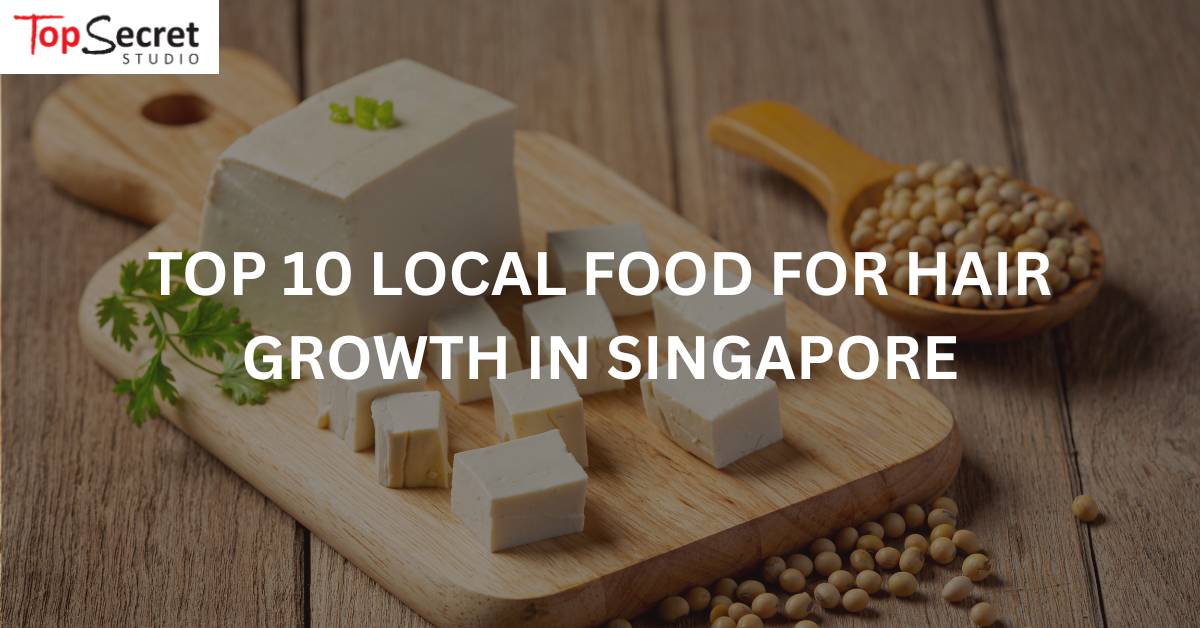
10 Local Food for Hair Growth: Tofu, Eggs and More!
Key Takeaways
- Hair growth depends on consistent intake of protein, iron, zinc, vitamin D, omega 3 and antioxidants that stabilise the scalp environment.
- Local foods such as tofu, tempeh, eggs, ikan kembung, leafy greens and nuts provide hair friendly nutrients without requiring supplements.
- Most people need several months of steady nutrient intake before visible changes appear in hair density or strength.
- Humidity, sweat, frequent washing and urban stress increase nutrient demand, making balanced eating more important.
- A structured weekly menu and small dietary adjustments can support stronger hair, especially when combined with proper scalp care.
Hair grows better when your daily meals supply enough protein, minerals and healthy fats to support keratin formation and maintain a balanced scalp environment.
Let’s be honest folks, outdoor heat, office air conditioning and constant shuttle between the two can make your scalp react faster than your schedule changes.
So you might be surprised that there is food out there that actively promotes hair growth. Yes it’s real, not a TikTok scam.
Today, you will learn which nutrients influence hair care and strength, which local foods provide them and how to apply this knowledge to your everyday tapaos and hawker centres.
How Does Nutrition Affect Hair Growth?
Healthy hair relies on nutrients that fuel the growth cycle and support the scalp.
Hair grows through the anagen, catagen and telogen phases.
The anagen phase is the active growth period and is sensitive to nutrient shortages.
Diets low in:
- Protein
- Iron
- Zinc
- Essential fatty acids
Can shorten this growth phase, leading to weaker strands.
A well-balanced diet pattern supports healthy keratin production, stabilises the scalp barrier and helps control oxidative stress.
Why diet matters:
- The body prioritises essential organs over hair.
- Hair receives nutrients only after core needs are met.
- Any prolonged deficiency affects growth or overall strength.
A food first approach helps maintain consistent nutrient levels without relying on high dose supplements.
Which Nutrients Are Most Important for Hair Growth?
Six nutrient groups consistently support stronger hair and a healthier scalp.
Protein for keratin formation
Keratin is the primary structure of hair strands. Inadequate protein intake leads to weakened growth, faster breakage and hair that feels brittle.
These include: Eggs, tofu, tempeh, chicken, fish, paneer, lentils and dairy.
Iron for oxygen delivery to follicles
Iron deficiency is linked to hair shedding because low ferritin reduces oxygen flow to follicles. Women and endurance exercisers often require slightly higher iron intake.
These include: Spinach, lean meats, sardines, lentils and fortified grains.
Zinc for scalp repair
Zinc supports oil balance, cell repair and the formation of new strands. Low zinc often coincides with flaky or irritated scalps.
These include: Nuts, seeds, whole grains, eggs and shellfish.
Omega 3 for scalp hydration
Omega 3 supports the scalp barrier and reduces inflammation. It helps with dryness, sensitivity and breakage.
These include: Ikan kembung, ikan tenggiri, sardines and walnuts.
Vitamin C for collagen and absorption
Vitamin C improves iron absorption and supports collagen, which anchors hair follicles.
These include: Citrus fruits, guava, berries, papaya and peppers.
Biotin and B vitamins for energy metabolism
Biotin deficiency is rare, but consistent intake of B vitamins supports general hair strength.
These include: Eggs, nuts, seeds, whole grains and leafy greens supply these nutrients naturally.
What Are the Best Foods for Hair Growth?
There are surprising amounts of local ingredients that make building a hair friendly diet realistic and affordable.
1. Eggs: Protein, Biotin and Vitamin D
Eggs supply high quality protein, biotin, vitamin D and zinc.
They help support keratin formation and daily repair processes in the scalp.
Regular egg intake suits people who wash their hair frequently or exercise often, as sweat and sun exposure increase oxidative stress.
A good example: Two eggs at breakfast or one egg included in noodles, rice dishes or soups.
2. Tofu and Tempeh: Protein for Hair Strength
Plant proteins like tofu and tempeh help maintain keratin without heavy meals.
Both tofu and tempeh are rich in:
- Protein
- Iron
- Minerals
They also fit well into busy weekday lunches. Tempeh has added fermentation benefits that support nutrient absorption.
They are ideal for anyone who prefers lighter meals or wants to avoid overly oily food that may worsen scalp greasiness.
3. Ikan Kembung and Sardines: Omega 3 for the Scalp
Small oily fish provide omega 3 that supports scalp hydration and reduces irritation.
Local fish such as ikan kembung, sardines and tenggiri offer omega 3 without the cost of imported salmon.
These fish support the scalp barrier, reduce dryness and supply protein for strand repair.
“Enjoying these small oily fish a few times per week is a great way to regularly top up omega-3s.”
4. Leafy Greens: Iron, Folate and Antioxidants
Leafy greens stabilize the hair cycle by improving iron levels and reducing inflammation.
Local greens such as:
- Spinach
- Kai lan
- Bok choy
- Chye sim
- Watercress
All supply iron, folate and vitamins that support healthy roots.
Pairing greens with a vitamin C source improves absorption.
5. Nuts and Seeds: Zinc and Healthy Fats
Nuts and seeds support hair structure, oil balance and scalp repair.
- Almonds
- Walnuts
- Pumpkin seeds
- Sunflower seeds
Supply zinc, magnesium and healthy fats. These nutrients help maintain the scalp barrier and reduce breakage.
They also work well as office snacks when long workdays make structured meals difficult.
6. Lentils and Beans: Protein and Iron for Daily Support
Lentils support long term hair density by assisting red blood cell formation.
Lentils, chickpeas and other legumes supply plant based protein, iron and folate. They help support hair growth during stressful periods or after intense exercise routines.
They suit vegetarians, light eaters and anyone who wants a filling lunch without heavy oils.
7. Sweet Potatoes and Carrots: Beta Carotene for Scalp Health
Beta carotene converts into vitamin A, which supports oil production and scalp balance.
A healthy scalp environment relies on consistent vitamin A intake.
- Sweet potatoes
- Carrots
- Pumpkins
All supply beta carotene that the body converts naturally.
Although, we will mention that overconsumption of synthetic vitamin A supplements may irritate the scalp, so food first is the safest method.
8. Citrus Fruits and Berries: Vitamin C for Collagen
Vitamin C improves iron absorption and supports collagen around hair follicles.
- Guava
- Citrus fruits (Orange, Grapefruit)
- Strawberries
- Blueberries
All of the above help maintain collagen strength. This supports healthier roots and reduces breakage at the base of each strand.
“Pairing a citrus fruit with meals also helps maximise iron availability from both plant and animal foods.”
9. Yoghurt and Milk: Protein and Probiotics
Dairy supplies protein and probiotics that may support nutrient absorption.
Plain yoghurt and milk supply protein, calcium and B vitamins. The probiotics in yoghurt also supports digestive health, which indirectly influences nutrient uptake.
People with scalp dryness may benefit from including dairy two to three times weekly.
10. Chicken Essence and Chicken Soup: Protein and Amino Acids
Clear soups and traditional chicken essence provide easily absorbed amino acids that support keratin formation.
Slow cooked chicken soup and traditional chicken essence contain amino acids that the body uses to maintain keratin structure.
They are light, easy to digest and super delicious!
“People who often skip meals or have low appetite during long workdays may find this especially helpful, as soups provide hydration and nutrients without heaviness.”
How Can You Build a Hair Friendly Daily Menu?
Breakfast
- Two eggs with whole grain toast
- Citrus fruit or guava
- Optional yoghurt
Lunch
- Stir fried tofu or ikan kembung
- Leafy greens
- Brown rice or noodles
Mid afternoon
- A handful of nuts or pumpkin seeds
- Berries or a small fruit
Dinner
- Lean chicken, fish or lentils
- Carrots or sweet potato
- Light soup or steamed vegetables
This pattern maintains a steady flow of protein, minerals and antioxidants throughout the day.
Can Food Alone Fix Hair Loss or Thinning?
Food supports hair strength, but it cannot reverse hair loss driven by hormones, genetics or scarring.
Unfortunately, there is no miracle food, nutrition absolutely helps with stabilizing shedding, supports growth cycles and reduces breakage.
However, conditions such as pattern thinning, postpartum loss or scarring alopecia require medical assessment.
That said, a healthy body makes for healthy hair, so we still encourage it.
Are There Foods to Avoid for Hair Growth?
Some foods trigger inflammation or oil imbalance for certain individuals.
Examples include:
- Very oily fried food
- Excessive sugary snacks
- High sodium items that increase water retention
- Processed snacks that crowd out nutrient rich meals
Moderation matters more than restriction, so don’t worry about not being able to eat fried chicken.
Food for Hair, Food For Thoughts
A hair friendly diet works best when it is steady and realistic. Consistent intake of protein, minerals and antioxidants helps the scalp maintain healthier roots, while local ingredients make it easy to support hair growth without relying on supplements.
With several months of stable eating habits, nutrition becomes a dependable base for stronger strands.
If you are pairing diet improvements with topical care, Top Secret offers hair products that support scalp balance, reduce breakage and complement a nutrient rich routine.
Our products work alongside your daily meals to help your hair stay resilient through busy schedules and humid weather.
Disclaimer: We’re here to share helpful, research-based tips, but this article is not medical or nutritional advice. Everyone’s scalp, health and history are different, so please check in with your doctor, dermatologist or dietitian for recommendations tailored to you.
Frequently Asked Questions About Food for Hair Growth
What Is The Best Food For Hair Growth?
Foods rich in protein, iron, zinc and omega 3 support the growth cycle. Examples include eggs, tofu, tempeh, ikan kembung, leafy greens and nuts.
How Long Does It Take For Diet Changes To Show In Hair?
It usually takes three to six months because hair grows slowly. Most people notice improved strength and less breakage first.
Can Food Stop Hair Loss?
Food helps when shedding is related to nutrient shortages or stress, but it does not reverse genetic or scarring conditions. Those need medical care.
Should I Take Biotin Supplements?
Biotin deficiency is rare. Most people get enough through eggs, nuts and whole grains. A supplement is only helpful if a verified deficiency exists.
Is A Vegetarian Diet Suitable For Hair Growth?
Yes. Tofu, tempeh, lentils, nuts, seeds and leafy greens supply key nutrients. Pair them with vitamin C rich fruits to improve iron absorption.
What Foods Help With Scalp Dryness?
Omega 3 rich fish, walnuts, sweet potatoes and yoghurt support the scalp barrier and may reduce dryness.
Read more
Receding Hairline For Men: Here’s What You Need To Know
Key Takeaways A receding hairline usually starts with thinning at the temples, forming an M shape that progresses slowly with age and genetics. The main cause is male androgenetic alopecia, heavil...
Read more
Anti Frizz Hair Treatment in Singapore: What Really Works?
A friendly guide to anti frizz treatments in Singapore, from options and prices to care tips and products.
Read more