



Article: Hair Serum vs Scalp Serum: Which Do You Need?

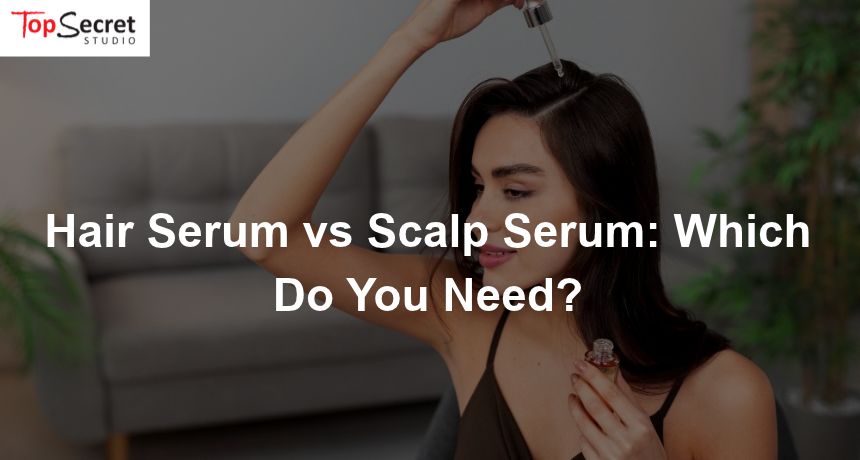
Hair Serum vs Scalp Serum: Which Do You Need?
Key Takeaways
- Hair serum reduces frizz, adds shine and improves manageability, while scalp serum targets scalp-specific concerns.
- Choose hair serum for dry or damaged strands, and scalp serum for dryness or discomfort affecting the scalp.
- Ingredients matter more than product names, as different formulations serve different purposes.
- Both serums can be used together, provided they are applied to the correct areas.
- Cosmetic serums cannot automatically treat hair loss, dandruff or underlying scalp conditions.
When comparing hair serum vs scalp serum, the main difference is where they work. Hair serum improves the appearance and manageability of hair strands, while scalp serum targets concerns affecting the skin beneath your hair.
Singapore's warm, humid weather can make frizz and oily roots especially frustrating. However, choosing the wrong product may leave your hair greasy without addressing the actual problem.
Understanding the differences, ingredients and application methods will help you select the right serum for your haircare routine.
Hair Serum vs Scalp Serum

The simplest way to choose is to identify whether your concern begins along the hair strands or on the scalp.
Hair Serum: What Does It Do?
Hair serum is typically a leave-in product designed to improve the appearance, feel and manageability of hair.
Most smoothing serums contain silicones, oils or conditioning ingredients that coat the hair surface. These help reduce friction, control flyaways and improve the appearance of dry or damaged strands.
As the American Academy of Dermatology explains, leave-in products can reduce frizz, improve manageability, and make hair easier to detangle.
Benefits of Hair Serum
- Frizz control: Smooths flyaways and helps hair look neater.
- Improved shine: Creates a smoother surface that reflects light more evenly.
- Easier detangling: Reduces friction between strands during brushing.
- Softer texture: Makes rough or dry hair feel more manageable.
- Styling support: Some formulas provide heat protection when specifically labelled for it.
For example, someone with colour-treated hair may experience rough ends after repeated washing. Applying a small amount of serum can improve smoothness without requiring another wash.
However, hair serum cannot permanently repair split ends or reverse structural damage.
Who Should Use Hair Serum?
Hair serum is particularly suitable for people experiencing:
- Frizzy hair after spending time outdoors
- Dry, rough or tangled ends
- Dull-looking hair
- Flyaways after blow-drying
- Hair damaged by colouring or heat styling
Fine hair generally benefits from lightweight formulas, while thicker or coarser hair may tolerate richer conditioning serums.
Scalp Serum: What Does It Do?
Scalp serum is a product applied directly to the skin beneath your hair to address specific care needs, such as dryness and moisture retention.
Unlike hair serum, which focuses on existing strands, scalp serum is designed for scalp care. Its effectiveness depends on the ingredients, formulation and underlying concern rather than the product name alone.
Benefits of Scalp Serum
A suitable scalp serum may provide:
- Scalp hydration: Helps maintain moisture in dry skin.
- Improved comfort: May reduce tightness associated with mild dryness.
- Barrier support: Moisturising ingredients help maintain the scalp's protective barrier.
- Targeted care: Some formulas are designed for oily scalps or buildup, but their effectiveness depends on the ingredients and the cause of the concern.
For example, someone experiencing scalp tightness after shampooing may benefit from a moisturising scalp serum alongside a gentler cleansing routine.
However, persistent itching or flaking may indicate a condition requiring treatment rather than additional cosmetic products.
Does Scalp Serum Promote Hair Growth?
Not every scalp serum stimulates hair growth, even when marketed as strengthening or densifying.
Some formulas improve the appearance of fuller hair without increasing actual hair growth.
Treatments such as topical minoxidil have clinical evidence for certain types of hair loss, but ordinary cosmetic scalp serums should not be assumed to produce equivalent results.
If you experience progressive thinning, patchy hair loss or excessive shedding, consult a dermatologist before investing in multiple products.
Hair and scalp serums intended for cosmetic care should not be treated as substitutes for medical hair-loss treatments. In Singapore, cosmetic products should not be marketed as reversing hair loss or treating medical conditions. Seek professional advice if you are concerned about ongoing hair thinning or scalp symptoms.
Frizz vs Scalp Concerns: Which Serum Should You Choose?
Choosing the right product depends on where your concern occurs.
Someone can have an oily scalp and dry ends simultaneously, especially when frequent washing, humidity and styling influence hair condition.

Scenario 1: Frizzy Hair in Singapore's Humidity
You leave home with neatly styled hair, but your strands become frizzy after spending time outdoors.
If your scalp feels comfortable, a smoothing hair serum is the more relevant purchase.
Look for lightweight conditioning ingredients that reduce flyaways without excessive residue.
Scenario 2: Oily Roots and Dry Ends
Your scalp becomes oily by the afternoon, but your ends remain rough.
Applying a rich hair serum near the roots may worsen the greasy appearance.
Instead, use a suitable shampoo and apply lightweight hair serum only to the lengths and ends. A scalp serum is optional unless another concern requires attention.
Scenario 3: Itchy Scalp With Flakes
Persistent itching and visible flakes suggest a scalp concern, but the cause may be dandruff, dryness, irritation or another skin condition.
An appropriate anti-dandruff shampoo may help with mild dandruff. However, if symptoms persist, worsen or cause significant discomfort, consult a dermatologist rather than relying on cosmetic scalp serums.
Ingredients to Look for in Hair and Scalp Serums
Different formulations serve different purposes. Understanding their ingredients helps you compare products beyond marketing claims.
Common Hair Serum Ingredients
| Ingredient | Main Function |
|---|---|
| Dimethicone | Smooths strands and reduces frizz |
| Amodimethicone | Conditions damaged hair |
| Argan oil | Adds conditioning and shine |
| Panthenol | Supports moisture retention |
| Hydrolysed proteins | May temporarily improve hair feel |
Silicone-based serums are particularly useful for reducing friction and improving smoothness.
Natural oils can also provide conditioning benefits, although richer formulations may weigh down fine hair.
Neither ingredient category is automatically superior. Choose based on your hair texture and preferred finish.
Common Scalp Serum Ingredients
| Ingredient | Main Function |
|---|---|
| Niacinamide | Supports skin barrier care |
| Glycerin | Helps retain moisture |
| Panthenol | Provides moisturising benefits |
| Hyaluronic acid | Supports surface hydration |
| Salicylic acid | Helps exfoliate dead skin cells |
Some scalp serums also feature caffeine, peptides or rosemary extracts associated with hair growth claims.
However, the presence of a popular ingredient does not guarantee clinically meaningful hair regrowth. Concentration, formulation and supporting evidence matter.
People with sensitive scalps should also be cautious with fragrances and essential oils, which may cause irritation.
Can You Use Hair Serum and Scalp Serum Together?
Yes. Hair serum and scalp serum can complement each other because they serve different purposes.
Someone with a mildly dry scalp and frizzy, colour-treated ends may benefit from both products, provided the formulas suit their scalp and hair type.
A simple combined routine involves:
- Washing with a shampoo suited to your scalp.
- Applying conditioner to the lengths and ends.
- Gently towel-drying your hair.
- Applying scalp serum directly to the scalp as instructed.
- Applying hair serum to the mid-lengths and ends.
- Styling as needed, with appropriate heat protection.
Always follow the individual product instructions, particularly when using formulas containing exfoliating ingredients.
When You Don't Need Both
Using two serums is unnecessary if only one area requires attention.
If your scalp feels comfortable but your hair is frizzy, a hair serum may be sufficient.
Likewise, if your strands are manageable but your scalp feels dry, prioritise scalp care.
Using too many products, especially heavy or unsuitable formulas, may cause buildup or greasiness and can sometimes irritate the scalp.
How to Apply Hair Serum and Scalp Serum Correctly
Correct application affects how well a serum performs. Using too much or applying it to the wrong area can leave hair greasy or cause unwanted scalp buildup.
How to Apply Hair Serum
- Check whether the product is intended for damp or dry hair.
- Start with a small amount.
- Spread the serum evenly between your palms.
- Apply from the mid-lengths towards the ends.
- Avoid the scalp unless the instructions specifically permit it.
- Add more only if necessary.
Fine hair requires particular care with dosage because excessive serum can reduce volume.
If you use heated styling tools, choose a product specifically labelled for heat protection rather than assuming every serum provides it.
How to Apply Scalp Serum
- Follow the label's directions for dry or damp application.
- Divide your hair into sections to expose the scalp.
- Apply the recommended amount directly using the applicator.
- Distribute gently with clean fingertips if instructed.
- Leave on or rinse off according to the product directions.
- Follow the recommended frequency.
Avoid vigorous massage on irritated skin. Stop using the product if persistent redness, burning or discomfort develops.
How Often Should You Use Serum?
Hair serum can often be applied after washing or whenever additional frizz control is needed.
Scalp serum frequency depends on its formulation. Some hydrating products are intended for daily use, while exfoliating formulas may require less frequent application.
Using more product than recommended does not guarantee better results.
Read More: Hair Mask vs Leave-In Conditioner for Damaged Hair
How to Choose the Right Serum Before Buying
When shopping for haircare in Singapore, consider these factors before selecting a serum.
Identify Your Main Concern
Determine whether you're trying to improve frizz, dryness, scalp comfort or another specific issue.
A product designed for one concern may not effectively address another.
Match the Formula to Your Hair Type
Fine hair may benefit from lightweight, non-greasy serums. Thick or coarse hair may tolerate richer formulas.
For oily scalps, consider whether a leave-on product is necessary and how it fits into your cleansing routine.
Check Application Instructions
Before buying, confirm whether the serum is:
- Intended for hair strands, scalp skin or both
- Suitable for damp or dry application
- A leave-in or rinse-off treatment
- Recommended for daily or occasional use
- Compatible with your existing products
Evaluate Claims Carefully
Instant shine and clinically meaningful hair regrowth are very different outcomes.
Avoid paying more for a product solely because it claims to strengthen roots or stimulate growth. Look for evidence supporting the specific formulation.
Also consider whether changing your shampoo, conditioner or styling habits could address the concern without another purchase.
Hair Serum or Scalp Serum?
When choosing between hair serum vs scalp serum, identify where your concern originates. Hair serum is better suited to frizz, roughness and shine, while scalp serum provides targeted care for specific scalp concerns. Both can be useful, but neither is automatically essential.
At Top Secret Studio, you can compare professional haircare products suited to different hair and scalp concerns. As a haircare product supplier in Singapore, we offer treatments and scalp care options to help you build a routine that suits your needs.
Sources
- American Academy of Dermatology Association, Dermatologists' Top Tips for Using Leave-In Conditioner.
- American Academy of Dermatology Association, Tips for Healthy Hair.
- American Academy of Dermatology Association, How to Treat Dandruff.
- American Academy of Dermatology Association, Hair Loss: Diagnosis and Treatment.
- Health Sciences Authority Singapore, Regulatory Overview of Cosmetic Products.
- With or without Silicones? A Comprehensive Review of Their Role in Hair Care (2025), PubMed.
- Niacinamide: A Review on Dermal Delivery Strategies and Clinical Evidence (2024), PubMed.
- Meteorological Service Singapore, Climate of Singapore.
Frequently Asked Questions About Hair Serum vs Scalp Serum
Can Scalp Serum Replace Hair Serum?
No. Scalp serum targets scalp concerns, while hair serum improves the appearance and manageability of hair strands. Their purposes and application areas differ.
Is Scalp Serum Suitable For Oily Hair?
Yes, if the formulation suits oily scalps. However, appropriate shampooing may be sufficient when excess oil is the only concern.
Can Hair Serum Cause Hair Loss?
Hair serums used as directed are not generally associated with hair loss. However, certain ingredients may irritate the scalp, and product buildup can occur. Seek medical advice if you notice persistent irritation or unusual shedding.
Should I Apply Scalp Serum Before Or After Washing?
Follow the manufacturer's instructions. Some products are intended for clean, dry scalps, while others can be applied to damp skin.
Is Hair Oil Better Than Hair Serum?
Neither is universally better. Hair oils provide conditioning, while many smoothing serums focus on frizz control, shine and manageability.
Do I Need Scalp Serum Every Day?
Not necessarily. Some hydrating serums are formulated for daily use, while exfoliating treatments may require less frequent application.
Read more
Hair Mask vs Leave-In Conditioner for Damaged Hair
Not sure whether your damaged hair needs a hair mask or leave-in conditioner? Compare their benefits, ingredients and limitations, and learn how to build a practical haircare routine for Singapore'...
Read more