



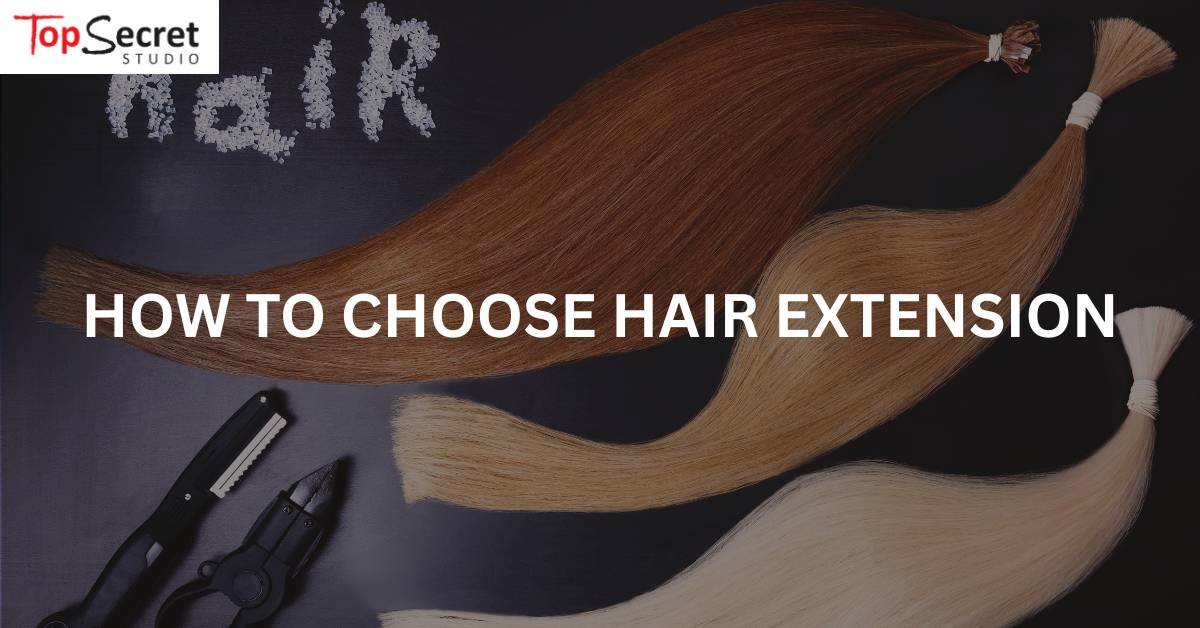
How to Choose the right Hair Extension in Singapore
Key Takeaways
- Choosing hair extensions starts with understanding the main types, since each behaves differently in daily routines.
- A proper colour match depends on undertone, not the shade you see under bright lights.
- Longevity is linked to installation method and hair care habits, not just price.
- Your natural hair condition should guide your choice of extension type and weight.
- A salon consultation helps prevent mismatched texture, uneven blending, and avoidable damage.
The right hair extension depends on your natural hair condition, desired look, budget, and how much time you want to spend maintaining it.
If you have ever tried browsing hair extensions online, you already know it feels a little like choosing a new phone model. Everything looks great until you realise there are different types, textures, weights, and installation methods.
A small decision, such as clip in versus tape in, can change how natural the final result looks and how long it lasts.
So, let the hair care experts guide you on what you should know before choosing the right hair extensions.
Types of Hair Extensions Compared
|
Type of Extension |
Best For |
Longevity |
Maintenance Level |
Price Range |
|
Clip In |
Occasional use, styling flexibility |
1 day (removable) |
Low |
Budget friendly |
|
Tape In |
Natural volume and quick installation |
6 to 8 weeks |
Medium |
Mid range |
|
Keratin Bond |
Long term wear and seamless blend |
3 to 4 months |
High |
Premium |
|
Sew In / Weft |
Thick or textured hair needing strong hold |
6 to 8 weeks |
Medium to high |
Mid to premium |
|
Halo Extensions |
Fast, temporary length with no installation |
1 day (removable) |
Low |
Budget to mid |
What Should You Consider Before Choosing Hair Extensions
Your Natural Hair Condition
Your natural hair strength and density determine which extension method feels secure and blends properly.
Fine hair may struggle with heavier methods, while thick hair may need denser wefts to avoid visible gaps.
Your Daily Styling Routine
People who heat style often benefit from more stable methods such as tape ins or keratin bonds, which hold shape longer.
If you prefer minimal upkeep, temporary options like clip ins or halo extensions fit more comfortably into a low maintenance routine.
Your Comfort Level With Maintenance
Every method has different upkeep needs.
Tape ins require scheduled touch ups because of hair growth, while clip ins and halo extensions demand gentle handling but no salon appointments.
We recommend choosing a method that matches your habits and not the other way round.
Which Hair Extension Type Lasts the Longest
Keratin bond extensions last the longest because they are attached strand by strand. This helps them stay secure, blend smoothly, and move like your natural hair.
Longevity Breakdown
- Keratin bonds: Typically last three to four months with proper brushing and gentle washing.
- Tape ins: Stay secure for six to eight weeks, but need repositioning as hair grows.
- Clip in and halo extensions: Long lifespan overall, but short wear per use since they are removed daily.
- Wefts: Usually hold for six to eight weeks, depending on installation and tension.
Our Recommendation
- Keratin bonds are best for long term wear,
- Tape ins suit people who like predictable touch ups
- Clip ins or halos are ideal for those who prefer low commitment styling.
Your choice depends on how long you want the look to last and how consistent you are with aftercare.
How Do You Match Extensions to Your Natural Hair Colour
Getting the right colour match depends on undertone, how your hair reflects light, and where your natural shade is most accurate.
Things to Look At
- Undertone: This stays consistent even when lighting changes, so matching undertone prevents odd shifts indoors or outdoors.
- Mid lengths: These show your true colour better than the crown, which is often lighter from sun exposure.
- Natural gradient: Real hair is rarely one flat shade, so combining two tones often gives a more natural transition.
- Lighting differences: Some hair looks warmer outdoors and cooler indoors, so a balanced neutral tone blends more reliably.
By matching the mid lengths and selecting shades that follow your natural gradient, your extensions blend smoothly without creating harsh lines or colour blocks.
This is why stylists often mix tones instead of relying on one shade.
How Do You Choose the Right Texture and Weight
Texture affects how naturally the extensions blend into your hair, while weight determines how comfortable the extensions feel throughout the day.
What to Pay Attention To
- Texture match: Straight extensions do not blend well with wavy or fluffy hair unless heat styled often. (which we do not recommend)
- Daily styling habits: A matched texture reduces the need for straightening, curling, or blow drying.
- Weight range: Extensions come in grams. Too much weight on fine hair can cause tension, while thicker hair can support denser wefts or bonds.
- Comfort test: Lift the hair gently at the root. If it feels heavy, the weight is too high for your density.
“Match extensions to your mid lengths, not your crown. It creates a more natural transition in indoor and outdoor lighting.” - Kelly, hair stylist from REDS Hair Salon JB.
How Much Maintenance Do Hair Extensions Require
Not much…ish. Maintenance depends more on the installation method than the final look, and each type comes with its own level of commitment.
What Maintenance Really Looks Like
- Clip ins and halos: The easiest of the bunch since you remove them daily. Your hair and scalp get to breathe, and you avoid long term tension.
- Tape ins: Need repositioning every six to eight weeks as your natural hair grows out. They stay flat, but they do ask for a bit of attention.
- Keratin bonds: Require the most care. Gentle brushing, careful washing, and being mindful of heat help prevent tangling around the bonds.
Your routine may also include the following:
- Extension friendly shampoo
- The occasional deep conditioning
- A lighter approach to heat styling
Choosing a method that matches your lifestyle ensures your extensions stay smooth without feeling like a full time job.
Who Should Avoid Each Type
Understanding who shouldn’t use certain extension types is just as important as knowing who they suit.
This helps prevent tension, mismatches, or unnecessary damage.
Clip In Extensions
Avoid if:
- You have very fragile hair that cannot handle repeated clipping on and off
- You dislike styling daily, since clip ins often need blending
- You want a long term, low effort solution that stays in place
Tape In Extensions
Avoid if:
- You have oily scalp, which may weaken adhesive tabs
- You cannot commit to touch ups every six to eight weeks
- You have extremely thick or dense hair that may hide the tapes unevenly
Keratin Bond Extensions
Avoid if:
- Your hair is overly dry, brittle, or chemically compromised
- You cannot keep up with careful brushing and mindful washing
- You prefer sleeping without anything attached to your hair
Sew In or Weft Extensions
Avoid if:
- Your hair is fine or thin, as the braids or anchor points may cause tension
- You prefer lightweight and barely noticeable extensions
- You get headaches easily from extra pulling on the scalp
Halo Extensions
Avoid if:
- You want to wear your hair up in high ponytails or buns often
- You have very short hair that may not hide the wire properly
- You need all day security, especially during sports or active routines
When Should You Consider a Professional Consultation
A consultation helps you avoid the classic problems of choosing the wrong hair extension type, colour, or weight.
Even if you already know your preferred method, a stylist can catch things you might not notice when you browse on Shopee.
When You’re Unsure About Hair or Scalp Strength
Not all hair types can support every installation method. A stylist can quickly spot early signs of stress, weakness, or sensitivity.
- Fine or fragile roots may not handle heavy wefts
- Recently coloured or chemically treated hair needs gentler methods
- Uneven density or breakage may require custom placement
When You Want an Accurate Colour Match
Lighting tricks everyone, especially indoors. A stylist can mix tones and adjust undertones so the extensions blend seamlessly.
- Prevents mismatches under outdoor sunlight
- Helps achieve gradient or multi dimensional blending
- Avoids the “extension line” that shows in photos
When You’re Considering Longer Term Methods
Tape ins and keratin bonds look beautiful, but they require precise installation for comfort and durability.
- Incorrect placement can lead to tightness or matting
- Weight distribution needs professional judgement
- Long term wear demands proper layering and sectioning
A professional consultation makes sure your extensions feel comfortable, blend naturally, and work well with your real hair instead of against it.
It also saves you from choosing a method that may look great online but not on your actual hair. Filters notwithstanding.
Narrow Down Your Choices With Top Secret
Choosing the right hair extension becomes much easier once you understand your hair type, styling habits, and how much maintenance you are comfortable with.
It’s almost as if it is the extension of your body, because it is!
At Top Secret, we help you make confident choices by providing high quality hair care products designed to protect both natural hair and extensions.
If you are ready to explore our great selections, browse our collection of branded shampoos and find the right match for your routine.
Frequently Asked Questions About Hair Extensions in Singapore
What Is the Safest Hair Extension Method
The safest method depends on your hair density. Fine hair does well with tape ins, while thicker hair can handle wefts or keratin bonds comfortably.
How Long Should Hair Be to Get Extensions
Most methods work best on hair that reaches at least your collarbone. Shorter hair may need strategic layering to blend smoothly.
Do Hair Extensions Damage Natural Hair
Extensions do not cause damage when installed properly and maintained with gentle brushing, low heat, and regular check ups.
How Often Should Extensions Be Replaced
Tape ins last six to eight weeks. Keratin bonds last three to four months. Clip ins and halos last longer with proper care.
Are Extensions Suitable for Oily Scalps
Yes, but you may need more frequent cleansing and gentle root care. Tape ins usually work better than keratin bonds for this condition.
How Do You Sleep With Hair Extensions
Tie your hair into a low loose braid to reduce friction. For permanent extensions, silk pillowcases help maintain smoothness.
Read more
Top 10 Automatic Hair Curlers in Singapore for Asian Hair
A curated list of the top automatic hair curlers in 2025, matched to real hair types and routines.
Read more
What Is Hair Diffuser And Do You Need One In Singapore
A clear guide on how hair diffusers work, who should use them, and why they are useful in humid climates.
Read more