







Hair Transplant in Singapore: Everything You Need to Know
Key Takeaways
- Hair transplant restores hair by moving healthy follicles from a donor area to thinning or bald spots.
- Costs vary mainly by graft count, technique, and clinic setup, not just headline prices.
- FUE and FUT differ in scarring, recovery time, and suitability, choosing depends on lifestyle and hair goals.
- Results take months, early shedding is normal, and density improves gradually over a year.
- Safety comes from proper assessment, licensed clinics, and realistic expectations, not aggressive promises.
A hair transplant is a medical procedure that relocates hair follicles from a donor area, usually the back of the scalp, to areas affected by thinning or baldness. In Singapore, it is commonly used to address receding hairlines, thinning crowns, and pattern hair loss, with results developing gradually over several months.
Hair loss tends to creep up quietly. One day it is a widening part, another day the hairline looks different under office lights even with the best hair care shampoo. Many people start searching for clear answers long before deciding on any treatment.
So before you call your nearest trichologist, let’s break down how hair transplants work, how it affects pricing and what to expect before and after the procedure.
How Does a Hair Transplant Work?
A hair transplant moves existing hair follicles, it does not create new hair.
1. Donor area is identified
The doctor checks the back or sides of the scalp (the “donor area”), where hair is usually more genetically stable and less prone to thinning.
2. Hair follicles are harvested
Follicles are taken either one by one (FUE) or as a thin strip (FUT), depending on the chosen method and how many grafts are needed.
3. Recipient area is planned and prepared
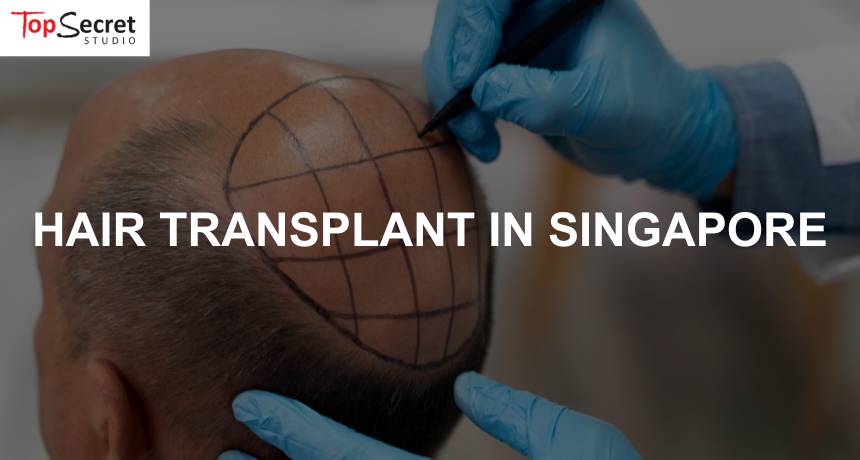
The thinning or bald area is mapped out, including hairline design and direction of growth, then tiny channels are created for implantation.
4. Follicles are implanted
The harvested grafts are placed into the prepared sites, matching angle and spacing so results look natural when hair grows out.
5. Early shedding happens, then growth begins
Transplanted hairs often shed in the first few weeks. The follicles stay alive under the skin, rest for a while, then start producing new hair over the next few months.
6. Same-day procedure, home after
A session can take several hours under local anaesthesia, and most people go home the same day with aftercare instructions.
What Types of Hair Transplant Are Available?
The two most common methods are FUE and FUT, each with their own trade-offs.
- FUE: Follicular Unit Extraction, involves extracting follicles individually.
- FUT: Follicular Unit Transplantation, removes a thin strip of scalp before separating follicles.
The choice depends on factors like hairstyle preference, donor density, recovery tolerance, and long-term planning. Neither method is universally better so let’s compare them.
Comparison of Common Hair Transplant Methods
|
Method |
Best For |
Features |
Pros |
Cons |
|
FUE |
Short hairstyles, faster recovery |
Individual follicle extraction |
Minimal linear scarring, flexible donor use |
Longer procedure time, higher cost per graft |
|
FUT |
Larger graft numbers |
Strip harvesting |
Efficient for high graft counts |
Linear scar, longer healing |
Who Should Get a Hair Transplant?
Suitability depends on hair stability, donor quality, and if the plan makes sense long term.
You are more likely to be suitable if:
- You have established pattern hair loss, such as a receding hairline or thinning crown, that has slowed or stabilised.
- Your donor area at the back or sides has good density and healthy follicles.
- Your expectations are realistic, you understand that density is improved, not fully restored to teenage levels.
Age matters less than stability.
Someone in their 20s with rapidly changing hair loss may be advised to wait, while someone older with stable loss may be suitable even if thinning has been present for years.
What matters is how predictable the hair loss pattern is, not the number on your IC.
You may need to pause or consider alternatives if:
- Hair loss is diffuse across the entire scalp, leaving no strong donor area.
- Hair loss is still progressing aggressively, which can lead to uneven results later.
- There are underlying scalp conditions that need treatment before any procedure.
In other words: A hair transplant is usually okay when your hair loss has settled down, you still have enough healthy hair at the back, and you are not expecting instant or perfect results.
“About 63% of males in Singapore experience androgenetic (pattern) hair loss, the most common form of thinning. Meanwhile, a 2019 survey found around 53% of women aged 35–44 also report hair loss.”
How Much Does a Hair Transplant Cost?
Hair transplant pricing in Singapore varies quite a bit because it depends mainly on how many grafts you need, which technique is used, and the clinic’s experience level.
It is rarely a flat price, so understanding the breakdown helps you budget realistically.
Rough Cost Ranges in Singapore
FUE (Follicular Unit Extraction)
- Most common choice for natural results and minimal scarring.
- Typical range: around SGD 6,000 to SGD 15,000. This reflects graft count and surgeon expertise.
FUT (Follicular Unit Transplantation)
- Traditional method that can be more cost-effective if many grafts are needed.
- Typical range: about SGD 4,000 to SGD 12,000.
Robotic-Assisted or Premium Techniques
- Includes things like ARTAS robotic FUE or similar tech-driven procedures.
- Prices may go higher, often SGD 7,000 to SGD 20,000+ depending on machine use and complexity.
What About Per-Graft Pricing?
Some clinics quote based on graft count. In simple terms, one graft is a small group of hair follicles, usually containing 1 to 4 hairs. Clinics estimate how many grafts you need, then multiply that number by the cost per graft.
Example: If a clinic charges SGD 6 per graft and you need 2,000 grafts, the procedure cost would be SGD 12,000.
The final amount depends on:
- How large the thinning or bald area is
- The density needed to make results look natural
- The technique used, such as FUE or FUT
- Whether the case is straightforward or more complex
This pricing model is common because everyone’s hair loss pattern is different, so graft numbers can vary a lot even between people with similar-looking hairlines.
Examples by Graft Count
- 1,500 grafts: Often mid-range pricing if priced per graft.
- 2,000–3,000 grafts: This covers larger areas like a receding hairline plus some crown, which is typically in the broader ranges listed above.
Note that most clinics include consultation, surgeon fees, facility use, and basic aftercare in their main package, but:
- Medication
- Extended follow-ups
- Future touch-ups
All of these will cost extra, so watch your wallets.
What Is the Recovery and Downtime Like?
Once the transplant is done, congrats, but the process is not over yet. Post-transplant recovery is generally manageable, but knowing what to expect really helps with maintaining that luscious hair.
In the first few days
- Most people return to desk work quite quickly
- Mild swelling, redness, or tightness around the scalp is common
- These effects are usually more noticeable within the first week
Within the first 1 to 2 weeks
- Small scabs form around the transplanted area
- Scabs fall off naturally within about ten to fourteen days
- The scalp gradually looks more normal as healing continues
During the first month
- Transplanted hair often sheds, which can feel alarming
- This is normal and expected
- The hair roots remain under the skin and are not lost
From month 3 onwards
- New hair growth usually starts around the third or fourth month
- Visible improvement becomes clearer by six months
- Fuller, more settled results are typically seen around twelve months
During early recovery
- Avoid heavy exercise and excessive sweating (Hard to do we know)
- Limit strong sun exposure on the scalp
- Wash hair gently and follow aftercare instructions closely
Following the aftercare advice properly plays a big role in how well the final results turn out.
Are Hair Transplant Results Permanent?
Transplanted hair is long-lasting, but it does not stop future hair loss completely.
There is a common misconception that a hair transplant is a “one-time miracle fix.” In reality, it restores hair in specific areas, but it does not freeze your scalp in time.
What Stays vs What Changes
|
Aspect |
What Happens |
|
Transplanted hair |
Usually long-lasting because it comes from more stable donor areas |
|
Existing hair |
Can still thin naturally over time |
|
Overall look |
Depends on long-term planning, not just one procedure |
|
Future treatment |
Some people opt for follow-up sessions or medical support |
Why Long-Term Planning Matters
- Transplanted hair keeps its resistance to hair loss
- Surrounding hair may thin, which can affect balance and density
- Without planning, results may look uneven years later
For people who want results that still look natural under office lighting and everyday situations, planning ahead makes a real difference, so don’t need to be paiseh one.
Is a Hair Transplant Painful or Safe?
In Singapore, hair transplants are generally safe and not very painful when done properly.
- During the procedure, anaesthesia is used, so most people feel little to no pain
- You may feel some pressure or tugging, but it is usually manageable
- After the procedure, mild soreness, tightness, or tenderness can occur for a few days
- Pain is usually controlled with basic medication, not strong painkillers
Many people describe it as “uncomfortable” rather than painful, similar to dental work but on the scalp. For the reluctant souls reading this, just know:
- Hair transplants are considered low-risk procedures when done by qualified doctors
- Clinics are expected to follow medical standards set by the Ministry of Health Singapore
- Serious complications are uncommon, but minor issues like swelling or temporary redness can happen
Safety comes less from the procedure itself and more from proper assessment, hygiene, and aftercare.
What actually makes it safe or risky?
|
Factor |
Why It Matters |
|
Proper medical assessment |
Ensures you are suitable and not rushed into surgery |
|
Qualified doctor |
Reduces risk of poor growth or uneven results |
|
Clean clinical setup |
Lowers infection risk |
|
Clear aftercare instructions |
Helps healing and protects grafts |
If done in a licensed medical setting with good planning, a hair transplant in Singapore is generally safe and tolerable. Problems usually arise when people rush decisions, chase unrealistic promises, or skip proper follow-up care.
Hair Transplant in Singapore: What to Keep in Mind
Hair transplants can be effective when done for the right reasons, at the right time, and with the right goals, just don’t expect long flowy hair.
At Top Secret, while we don't offer hair transplant service, we do offer ways to maintain your hair after it. Our hair care product helps with recovery and long term maintenance that support scalp comfort, hair health, and overall growth.
“Transplant can help, but hair also needs everyday care, cannot expect magic one shot.”
Disclaimer: The information in this article is for general education only and is not a substitute for personalised medical advice. Always consult a licensed doctor or dermatologist in Singapore for an assessment before starting or changing any treatment.
Frequently Asked Questions About Hair Transplant in Singapore
What is the minimum age for a hair transplant?
There is no fixed minimum age, but stability of hair loss matters more than age itself. Many doctors prefer to assess progression before recommending surgery.
How long does a hair transplant procedure take?
Most procedures take between four to eight hours depending on graft count and technique. It is usually completed in a single day.
Does a hair transplant hurt?
Local anaesthesia is used, so discomfort during the procedure is minimal. Mild soreness may occur during recovery.
When can I wash my hair after a transplant?
Gentle washing typically starts within a few days, following specific instructions. Normal washing resumes after the scalp heals.
Will people notice I had a hair transplant?
Early signs like redness or scabbing are temporary. Once healed, results are designed to look natural rather than obvious.
Can hair loss continue after a transplant?
Yes, existing hair can still thin over time. This is why long-term planning and maintenance are important.
Read more

The Hidden Effects of Caffeine Shampoo on Your Hair
Mostly cosmetic: cleaner scalp, less oil, more lift, not true regrowth.
Read more
2A Hair in Singapore: How to Get It, Style It, and Keep It
A Singapore-friendly guide to spotting 2A hair and keeping loose waves defined in humid weather.
Read more