








Hair Doctor in Singapore: How to Choose the Right Specialist
Key Takeaways
- A reliable hair doctor should provide structured diagnosis using tools like trichoscopy and a clear explanation of what causes your symptoms.
- Persistent dandruff, thinning, sudden shedding, scalp pain, or chronic oiliness usually require a medical or trichology-led assessment.
- Trichologists treat scalp and hair fibre conditions while dermatologists manage medical disorders or severe hair loss requiring medication.
- Transparent clinics describe costs, expected timelines, risks, and aftercare instead of selling generic packages.
- A proper first consultation includes history taking, scalp imaging, realistic planning, and tailored treatment options suited to Singapore’s climate.
A hair doctor in Singapore is a trained specialist in scalp and hair conditions who provides diagnosis and clinical-grade treatment for issues like thinning, dandruff, and chronic scalp discomfort.
Humidity, frequent washing, stress, colouring, and long outdoor hours can make scalp symptoms feel unpredictable.
Many people only seek help when problems become persistent, yet the right specialist can prevent long-term damage before the hair loss becomes severe.
As the leading hair product shop in Singapore, we will teach you:
- How to choose a qualified hair doctor
- What proper diagnosis involves
- How Singapore clinics typically manage hair loss or scalp issues
- What to expect before booking an appointment
What Does a Hair Doctor Actually Do?
A hair doctor identifies the root cause of scalp or hair loss concerns and recommends evidence-aligned solutions based on clinical assessment.
Most specialise in:
- Early-stage hair thinning
- Dandruff or seborrheic dermatitis
- Recurring scalp sensitivity
- Excessive oil production
- Stress-related shedding
- Genetic pattern hair loss
Treatment plans commonly involve trichoscopy reviews, topical therapies, oral medication when needed, or targeted scalp treatments guided by diagnostic findings.
When Should You Consider Seeing a Hair Doctor?
You should seek a specialist when symptoms persist, spread, worsen, or keep returning despite regular shampoo adjustments.
Common triggers that warrant a consultation include:
- Noticeable thinning along the temples or crown
- Sudden shedding over several weeks
- Patches of flaking that resist anti-dandruff products
- Painful or inflamed areas
- Persistent irritation after colouring or chemical services
- Chronic oiliness that affects confidence or daily comfort
Scenario: Someone who washes hair daily due to humidity but still feels greasy by afternoon may have sebaceous imbalance that needs targeted treatment rather than frequent cleansing alone.
Is a Trichologist or Dermatologist Better for Your Condition?
A trichologist focuses on hair and scalp care and can be helpful for non-medical or early concerns.
A dermatologist is a medically trained doctor who diagnoses and treats skin, hair and scalp diseases, and can prescribe medication or perform procedures when needed.
Trichologists help with:
- Mild dandruff or flaking that improves with non-prescription care
- Early, non-scarring thinning
- Breakage from colouring, heat styling or chemical services
- Scalp dryness, itch or oiliness without open wounds or signs of infection
Dermatologists manage:
- Significant or rapidly progressive pattern hair loss
- Autoimmune or scarring hair loss (for example, alopecia areata)
- Psoriasis, severe seborrheic dermatitis or obvious scalp infection
- Any condition that may need prescription medication, blood tests or a scalp biopsy
For mild scalp discomfort, cosmetic breakage or early non-scarring thinning, starting with a trichologist can be reasonable.
However, if you have rapid or patchy hair loss, visible bald spots, scarring, pain, infection, other medical symptoms or a strong family history, it is safer to start with a dermatologist.
What Should a Proper Scalp Diagnosis Include?
A proper diagnosis should combine medical history, lifestyle review, scalp imaging, and clear interpretation of results.
1. Intake Interview and History Taking
The specialist starts with questions that help identify patterns and possible triggers. This typically covers:
- Current symptoms: Itch, flakes, tightness, burning, hair fall, oiliness
- Duration and pattern: When it began, whether it is constant or comes in waves
- Washing habits: Shampoo frequency, water temperature, post-gym routines
- Chemical services: Colouring, bleaching, rebonding, perming, keratin or straightening treatments
- Health and medication: Known conditions, recent illnesses, medications, supplements
- Stress and lifestyle: Sleep quality, work hours, recent major life changes
This step shapes what they look for during imaging and physical inspection.
2. Visual and Physical Scalp Examination
Next, the specialist takes a close look at your scalp and hair shafts with the naked eye and simple tools. They may check for:
- Visible flakes, redness, scaling, or scabs
- Areas of thinning or reduced density
- Breakage along the hair shaft
- Differences between the top, sides, and back of the head
- Sensitivity when the scalp is palpated lightly
This helps distinguish surface issues from deeper or systemic concerns.
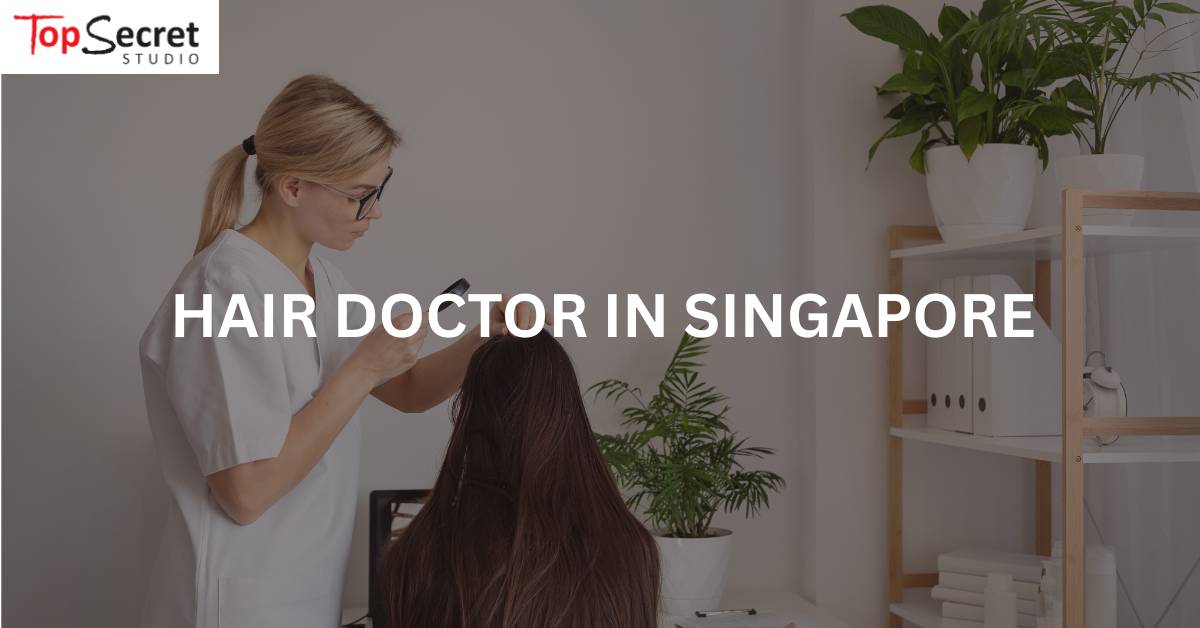
3. Trichoscopy or Magnified Scalp Imaging
An important part of modern diagnosis is magnified imaging, often called trichoscopy. The device can show:
- Follicle density per square centimetre
- Whether follicles are miniaturised, dormant, or inflamed
- Type and thickness of scaling
- Vascular changes or redness around follicles
- Early miniaturisation in areas that still look “normal” at first glance
Clear images make it easier to compare different regions and track changes over time.
4. Review of Hair Loss Pattern and Severity
Using both visual inspection and imaging, the specialist then classifies the pattern and stage of hair loss or scalp condition. This may involve:
- Matching your pattern to standard scales for male or female pattern hair loss
- Identifying if thinning is diffuse or patchy
- Differentiating between breakage and true shedding
- Noting whether loss is mainly at hairline, crown, or general
This stage is important because different patterns require different treatment strategies.
5. Discussion of Likely Triggers
The specialist then links what they see to possible causes. The discussion often includes:
- Genetic factors and family history
- Hormonal changes or life stages
- Impact of frequent colouring, straightening, or tight hairstyles
- Scalp microbiome imbalance, sweat, and humidity
- Lifestyle factors such as stress, nutrition, and sleep
A good explanation connects the dots between your routine and what the images show.
6. Explanation of Treatment Options and Timelines
Instead of a one-size-fits-all package, you should receive options matched to your diagnosis and comfort level. This usually covers:
- Which treatments are suitable and why
- How often you would need them
- If any medication is recommended
- Expected timelines before visible improvement
- Possible side effects, downsides, or maintenance requirements
You should leave with a clear sense of what is realistic within three, six, or twelve months.
7. Documentation and Follow-Up Plan
Finally, a proper diagnosis includes keeping records for future comparison. This often means:
- Saving your scalp images for progress tracking
- Noting your initial symptoms and hair density
- Setting a review date to reassess response
- Adjusting the plan if results are slower or faster than expected
This setup allows both you and the specialist to see if the chosen approach is genuinely working.
“Trichoscopy or digital imaging can take anywhere from a few minutes up to around 20–30 minutes.”
How Much Do Hair Treatments Typically Cost in Singapore?
Costs vary based on treatment type, severity, session frequency, and whether medical intervention is required. The table below summarises realistic market ranges.
|
Treatment Type |
Cost (SGD) |
Pricing Basis |
What It Usually Includes |
|
Basic Scalp Treatment |
60 to 150 per session |
Per session |
Cleaning, exfoliation, mild scalp purification, basic equipment-based therapy |
|
Clinical-Grade Targeted Treatment |
120 to 300 per session |
Per session |
Advanced scalp detox, anti-inflammation therapy, sebum regulation, trichologist-led procedures |
|
Medical Consultation |
50 to 150 |
Per consult |
Diagnosis, scalp imaging review, treatment planning with a doctor or trichologist |
|
Topical Medical Solutions |
40 to 120 per month |
Monthly |
Prescription or clinically supported topicals (for pattern hair loss or dermatitis) |
|
Oral Medication |
Varies by prescription |
Monthly |
Doctor-prescribed medication for pattern hair loss, inflammation, or dermatitis |
|
Hair Transplant (FUE) |
Depends on graft count |
Per procedure |
Surgical extraction and implantation, graft-based pricing, medical aftercare |
Note: Singapore clinics typically price non-surgical treatments per session, medical solutions per month, and transplants per graft, which is why exact figures vary widely.
Remember, a trustworthy clinic clearly explains:
- Why a treatment is recommended
- What outcomes to expect and by when
- If medication is required
- Whether surgery is truly, truly necessary
Packages should only be suggested when they make clinical sense, not as a default sales tactic.
Read more: Is There a Way To Make Your Hair Grow Faster in Singapore?
How Do You Evaluate Whether a Hair Doctor Is Credible?
A credible hair doctor is someone who explains what they see, shows clear evidence, and helps you understand your options without pushing a fixed package.
In Singapore, most people seek treatment only after symptoms become frustrating or start affecting confidence, so the way a specialist communicates during your first visit often says more than their advertising.
A reliable specialist usually talks you through:
- Your scalp images and points out what is happening at the follicle level
- Offer different treatment approaches
- Explain why each one fits your situation
- Highlight any possible downsides or limitations
If the clinic promises unusually fast results or avoids discussing risks, that is a sign to proceed carefully.
Cost clarity is another strong indicator. Most reputable clinics in Singapore provide a simple, upfront explanation of fees before you commit. They will also describe how often follow-ups are needed and how long improvement typically takes.
Below is a simple checklist you can keep in mind during your consultation:
Credibility Checklist
- Do they show you real scalp images and explain what each area means?
- Are treatment recommendations varied, or does every visitor receive the same package?
- Is there a clear timeline for reviews instead of open-ended promises?
- Are the claims measured and realistic, especially regarding regrowth speed?
- Is the specialist trained, certified, or clearly experienced in scalp and hair disorders?
If the answers to these questions feel honest and consistent, you are likely speaking with someone who prioritises proper care rather than sales targets.
Choose the Right Hair Doctor in Singapore With Confidence
Finding the right hair doctor is a bit like finding the right person to cut your fringe, you only realise how important the choice is after something goes wrong.
If your routine needs a little support between appointments, you can always rely on well-formulated hair products to keep the scalp comfortable and balanced.
Top Secret carries a thoughtful line of hair products that pair well with professional advice, especially if you want something gentle, effective, and fuss-free for daily use.
The right specialist plus the right products make a strong combination. With both in place, you can manage symptoms confidently and maintain healthier hair days ahead!
Disclaimer: This guide is for general information and does not replace personalised advice from a qualified doctor or dermatologist. Always seek professional medical care if you have sudden, severe or persistent scalp or hair loss symptoms.
Frequently Asked Questions About Hair Doctor in Singapore
What Does A Hair Doctor Treat?
They treat thinning, dandruff, irritation, oil imbalance, and early-stage hair loss using clinical-grade assessment and targeted solutions.
Do I Need A Trichologist Or Dermatologist?
A trichologist is suitable for mild, non-scarring concerns like dryness, oiliness or early thinning.
Are Scalp Spas Enough For Hair Loss?
Spa treatments help with comfort and cleanliness but cannot manage genetic or medical-related hair thinning.
How Soon Will I See Results From Treatment?
Results often take eight to sixteen weeks depending on the condition and treatment consistency.
Are Scalp Scans Accurate?
Trichoscopy and magnified imaging provide clear visual evidence of follicle density, scaling, and inflammation.
Should I Get A Second Opinion?
Yes, especially if you feel pressured into a package or if the diagnosis lacks clear imaging or explanation.
Read more
Anti Frizz Hair Treatment in Singapore: What Really Works?
A friendly guide to anti frizz treatments in Singapore, from options and prices to care tips and products.
Read more
The Hidden Effects of Caffeine Shampoo on Your Hair
Mostly cosmetic: cleaner scalp, less oil, more lift, not true regrowth.
Read more