


Fine Hair vs Thinning Hair: How to Tell the Difference
Key Takeaways
- Fine hair refers to strand thickness, meaning each individual hair has a relatively small diameter.
- Thinning hair refers to reduced overall hair coverage, which can happen because there are fewer hairs, individual hairs are becoming finer, or both.
- Fine hair does not automatically mean hair loss. You can have fine strands and still have plenty of hair.
- More shedding, a wider part or increased scalp visibility can be signs of thinning.
- Product needs are different: Fine hair usually benefits from lightweight products, while thinning hair may need more focus on scalp care and the underlying cause.
Fine hair vs thinning hair comes down to your natural strand thickness versus changes in your overall hair coverage. Fine hair means the individual strands are relatively thin, while thinning hair means your hair looks less full than it used to.
That can happen because there are fewer hairs, because some hairs are becoming finer, or both.
It matters when you're choosing shampoos, conditioners and scalp treatments. A rich product marketed for "thin hair" could leave naturally fine hair feeling flat or greasy. On the other hand, a volumising shampoo might make thinning hair look fuller without addressing why your coverage is decreasing.
And yes, you can have both.
| Feature | Fine Hair | Thinning Hair |
|---|---|---|
| What it describes | Diameter of individual strands | Reduced overall coverage |
| Is it naturally occurring? | Usually | Not necessarily |
| Does it mean hair loss? | No | It can |
| Scalp visibility | May be visible if density is low | Often becomes more noticeable |
| Shedding | Usually normal | May increase |
| Main product goal | Lightweight care and volume | Gentle care and cause-specific management |
| Can you have both? | Yes | Yes |
What Is Fine Hair?
Fine hair means each individual strand is relatively small in diameter. It doesn't tell you how much hair you actually have.
Think of it like thread. You could have thousands of very thin threads packed closely together. Each one is fine, but together they can still create plenty of coverage.
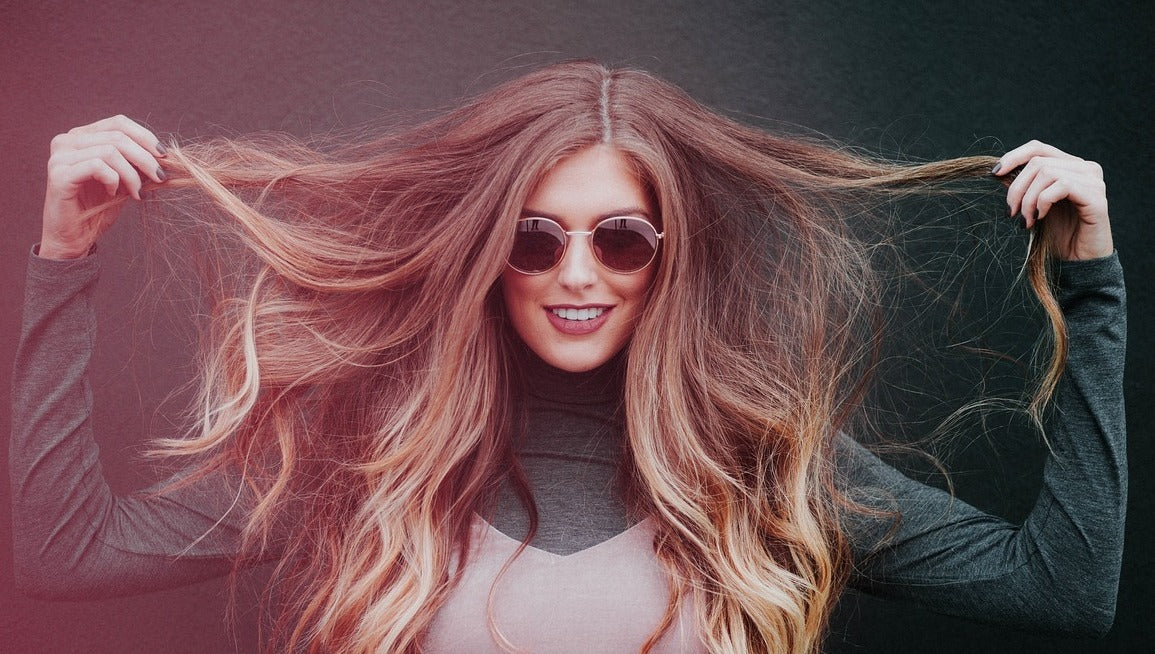
Someone with fine hair can therefore still have a very full-looking head of hair. Meanwhile, another person might have thicker strands but less overall coverage.
Fine hair can also lose volume or feel weighed down quickly, especially when sweat, oil or heavier styling products build up. Heavy conditioners, oils and waxes can sometimes make it feel flat faster too.
Repeated bleaching, rough handling and excessive heat styling can weaken hair and increase breakage. If your hair is fine, that damage may be especially noticeable because each strand already has a small diameter.
One thing to remember: breakage and hair shedding are not the same thing.
If your hair has always felt lightweight or delicate and your overall coverage hasn't really changed, chances are you simply have naturally fine hair.
What Does Thinning Hair Actually Mean?
Thinning hair is more about a noticeable loss of overall coverage compared with what is normal for you.
Maybe your ponytail feels smaller than it did last year. Perhaps your usual part looks wider, or you can see more scalp around the crown or hairline.
There are many possible reasons for thinning, including genetics, hormonal changes, stress, nutritional deficiencies, certain health conditions, medications and hairstyles that repeatedly pull on the hair.
And thinning doesn't always mean handfuls of hair suddenly falling out.
With some types of pattern hair loss, follicles gradually produce finer and shorter hairs. This process is called miniaturisation, and it can make hair look thinner even without dramatic shedding.
That's why it helps to ask whether your hair has always been fine or whether it has become finer or less full over time.
If your hair has looked fine for as long as you can remember, that may simply be your natural hair type. If you clearly had more coverage a year or two ago, that's worth paying attention to.
Read More: Does Your Scalp Age? Signs to Look For and How to Care for It
How Are Hair Density and Strand Thickness Different?
Here's the easiest way to understand fine hair vs thinning hair.
Strand thickness asks: How thick is one individual hair?
Hair density asks: How many hairs are growing in an area of your scalp?
Because they're separate things, you can have:
- Fine strands + high density: Lots of fine hairs, so your hair can still look full.
- Fine strands + low density: Fine hairs with less overall coverage.
- Thicker strands + high density: Thicker hairs and plenty of coverage.
- Thicker strands + reduced density: Thick strands, but fewer hairs than before.
Visible thinning can also happen when hairs progressively become finer through miniaturisation.
This is why simply touching your hair won't necessarily tell you whether it's thinning. A better question is: Has my hair changed from what is normal for me?
Old photos can help, especially if you compare similar hairstyles, partings and lighting.
What Are the Signs of Excessive Hair Shedding?
Seeing hair in the shower drain can be alarming, but some daily shedding is normal.
The American Academy of Dermatology states that losing around 50 to 100 hairs per day can be normal. What matters more is whether you're suddenly shedding noticeably more than usual.
One common cause of increased shedding is telogen effluvium. It can happen after illness, major stress, childbirth, surgery or significant weight loss, and the extra shedding may only become noticeable a few months later.
Instead of counting every strand, look for changes compared with what is normal for you.
Signs worth watching include:
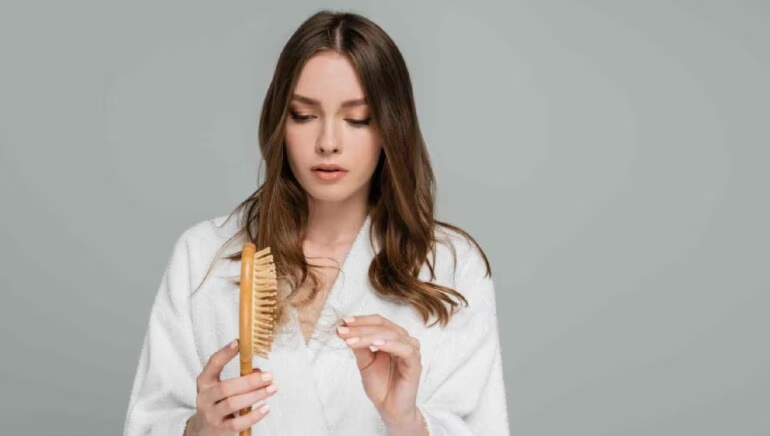
- More hair than usual in your brush, shower drain, pillow or hands.
- A smaller ponytail than before.
- A wider parting or more visible scalp.
- Less coverage around areas such as the crown.
- Sudden or sustained increases in shedding.
One bad hair week doesn't necessarily mean much. A consistent change over several weeks or months is more useful.
If you're experiencing sudden heavy shedding, bald patches, scalp irritation or ongoing unexplained thinning, it's worth speaking with a doctor or dermatologist rather than relying entirely on hair products.
Which Products Work Better for Fine Hair?
If your hair is naturally fine but you're not experiencing unusual shedding or loss of coverage, the main goal is simple: keep your hair healthy without weighing it down.
Lightweight shampoos can help remove excess oil and buildup without leaving too much residue. Fine hair still needs conditioner, but lighter formulas applied mainly through the mid-lengths and ends can help avoid flat roots.
For styling, lightweight mousses, sprays and volumising products are often easier to work with than thick oils, butters or waxes.
If you bleach, colour or regularly heat-style your hair, take extra care. Repeated chemical processing and high temperatures can weaken the hair shaft and increase breakage.
The goal isn't to permanently turn fine strands into thick ones. It's to keep them clean, manageable and fuller-looking without excess weight.
Which Products Should You Choose for Thinning Hair?
If your hair is genuinely becoming less full, approach product shopping differently.
Start with the reason, not the bottle.
A volumising shampoo may make your hair look fuller for the day, but making hair look fuller and addressing hair loss are two different things.
For everyday care, choose products that keep your scalp clean and comfortable and avoid unnecessary irritation. Gentle conditioners and detangling products can also help minimise avoidable breakage.
Be cautious with dramatic "hair growth" promises. Different forms of hair loss have different causes, so what works for one person may not suit another.
Topical minoxidil, for example, is an established treatment for certain forms of pattern hair loss, but that doesn't mean everyone who notices extra hair in the shower needs it.
A simple way to think about it:
Fine but stable hair: Focus on lightweight cleansing, conditioning, volume and protection.
Noticeably thinning hair: Care for your scalp and hair gently, but also consider why your coverage is decreasing.
Fine and thinning hair: Use lightweight products while separately looking into the cause of the thinning.
How Can You Tell What Type of Hair You Have Before Buying Products?
Before buying another product, look at what is actually happening with your hair.
Start with your history. Has your hair always been fine, or did it used to look noticeably fuller?
Next, check your parting, hairline and crown under similar lighting. Old photos can help reveal gradual changes.
Then think about shedding. Are you actually losing more hair than usual, or does your hair simply feel flat and lightweight?
Finally, look at the difference between shedding and breakage. A shed hair is released from its follicle as part of the hair-growth cycle, while a broken hair snaps somewhere along the strand. The follicle itself stays in your scalp.
If you're seeing lots of shorter broken pieces after bleaching or heat styling, damage may be a bigger issue than increased shedding.
You don't need to diagnose yourself in front of the mirror. The point is to understand the problem better before spending money on products designed for a different concern.
Know Your Hair Before Filling Your Bathroom Shelf
The difference between fine hair vs thinning hair is fairly straightforward once you know what to look for. Fine hair describes the diameter of each strand, while thinning hair means your overall hair coverage has decreased.
That loss of coverage may come from fewer hairs, progressively finer hairs, or both.
Fine hair generally does well with lightweight products that add body without heaviness, while ongoing thinning deserves more attention to your scalp, shedding patterns and the possible reason behind the change.
For products suited to different hair and scalp needs, explore Top Secret Studio Singapore and our range of haircare products.
Frequently Asked Questions About Products for Fine Hair vs Thinning Hair
Is Fine Hair the Same as Thinning Hair?
No. Fine hair describes the thickness of each strand, while thinning hair refers to a noticeable reduction in overall hair coverage. You can have naturally fine hair and still have plenty of it.
Can Fine Hair Become Thinning Hair?
Yes. Having fine hair doesn't protect you from hair loss later on. If your part is widening, your ponytail feels smaller or you're seeing more scalp than before, your hair may also be thinning.
How Do I Know If My Hair Is Fine or Just Thinning?
Think about what your hair used to look like. If your strands have always been delicate but your overall coverage hasn't changed much, you probably have naturally fine hair. If you're seeing less coverage than before, thinning may be involved.
Is It Normal to See Hair in the Shower Every Day?
Yes. Some everyday shedding is normal. Around 50 to 100 hairs per day is generally considered normal, although how much you notice depends on how often you wash, brush and style your hair.
Can Shampoo Make Fine Hair Thicker?
Shampoo can help fine hair look fuller by removing excess oil and buildup, and some formulas can temporarily add body or texture. However, regular cosmetic shampoos generally won't permanently change your natural hair-strand diameter.
When Should I See a Dermatologist About Thinning Hair?
Consider getting professional advice if you're experiencing sudden or heavy shedding, bald patches, a steadily widening part, noticeable loss of coverage or scalp symptoms such as itching, burning or irritation. A dermatologist can help identify the cause and whether treatment is needed.
```
Read more
Scalp Barrier Damage: Signs Your Scalp Is Stressed and What Helps
Key Takeaways Scalp barrier disruption can be associated with tightness, itching, dryness, flaking, sensitivity or burning, although these symptoms can have many other causes. Frequent washing is ...
Read more
Why Hair Gets Drier, Finer and Harder to Manage With Age
Discover why ageing hair becomes drier, thinner and less manageable, plus practical ways to care for mature hair and scalp.
Read more