

Air-Drying vs Ionic Drying for Hair: Which is better
Key Takeaways:
- In Singapore’s 90% humidity, air-drying takes significantly longer, which can actually weaken the hair's internal structure.
- Hygral Fatigue is real. Leaving hair damp for extended periods causes the hair shaft to swell and contract, leading to brittleness and breakage.
- Ionic technology creates a smooth, protective shield against tropical frizz by using negative ions to rapidly break down water molecules and seal the hair cuticle.
- Prioritizing scalp health is essential in tropical climates, as leaving the roots damp for too long can foster fungal growth and cause hair to develop an unpleasant smell.
- Always ensure your hair dryer carries the Enterprise Singapore Safety Mark to handle local voltage and prevent electrical hazards.
Air-drying vs ionic drying for hair involves choosing between letting moisture evaporate naturally or using a dryer that emits negative ions to break down water. While air-drying is often considered "gentle," ionic drying is generally better for humid environments like Singapore because it closes the hair cuticle quickly, locking out moisture and preventing structural damage.
In Singapore, air-drying seems fine until high humidity turns your hair frizzy during the commute. Many avoid heat to stay healthy, but top haircare products in Singapore now focus on ionic tech. This is because slow air-drying in our tropical climate keeps hair damp for too long, causing the inner fibers to swell and weaken.
This constant moisture stress damages the hair’s core, eventually leading to severe breakage and permanent loss of shine.
The Myth of Safe Air-Drying
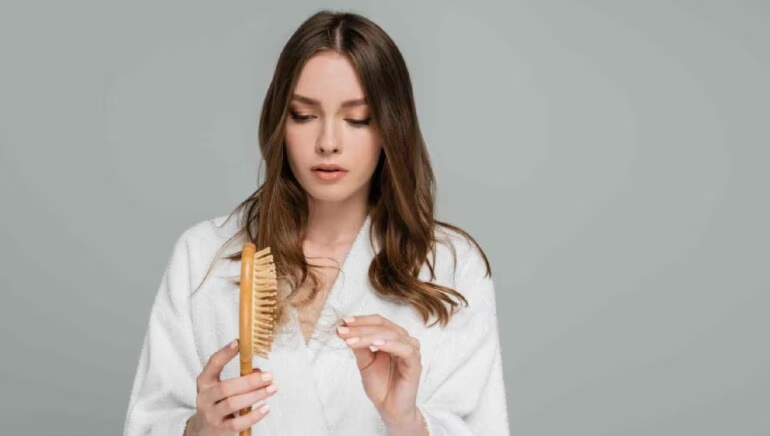
Hygral Fatigue
Many people believe avoiding heat is the best way to protect hair. But that’s not always true especially in humid climates like Malaysia or Singapore.
What Really Happens When You Air-Dry
- When your hair gets wet, it absorbs water and swells
- As it dries, it shrinks back to normal
- In humid weather, your hair stays wet for longer
This repeated swelling and shrinking cycle is called Hygral Fatigue.
Why This Damages Your Hair
- Long drying time = hair stays weak and stretched
- Daily wet-dry cycles reduce elasticity
- Hair becomes more prone to breakage and snapping
The Problem with Humidity
In high humidity:
- Your hair remains in a fragile, swollen state longer
- The outer layer (cuticle) starts to lift and roughen
- Hair looks dull, frizzy, and feels coarse
Air-drying isn’t always “safer.” In humid climates, it can cause Hygral Fatigue, leading to weaker, rougher, and more breakable hair over time.
How Ionic Technology Acts as a Frizz Shield
This is where the tech comes in.
An ionic hair dryer isn't just a standard blower; it’s a high-tech tool designed to neutralize static.
Wet hair is naturally charged with positive electricity. Ionic dryers emit millions of negative ions that perform two specific tasks:
- Break Down Water Droplets: They reduce the surface tension of water, breaking large droplets into much smaller particles. This allows the hair to dry significantly faster.
- Seal the Cuticle: The negative ions neutralize static electricity, encouraging the hair cuticle to lay flat and smooth.
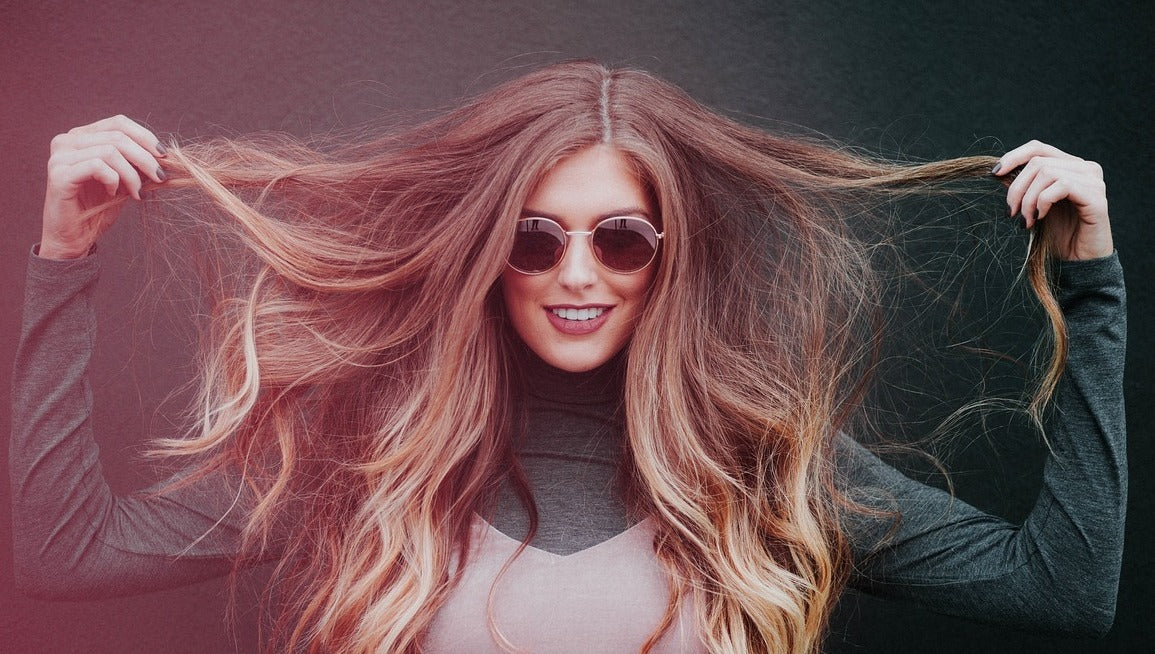
When the cuticle is sealed, it acts like a top coat—locking essential moisture inside while preventing Singapore’s external humidity from seeping into the hair shaft and causing it to "poof."
Break Down Water Clusters
They break water droplets into much smaller particles, which means the hair dries significantly faster, reducing the window for hygral fatigue to occur.
Seal the Cuticle
The negative ions neutralize the static, causing the hair cuticle to lay flat.
Think of a flat cuticle as a hydrophobic barrier.
When the cuticle is sealed tight, it acts like a top coat. It keeps the internal moisture in and prevents the external Singaporean humidity from seeping into the hair shaft and causing it to puff up.
Comparison: Air-Drying vs Ionic Drying
|
Feature |
Air-Drying (In Singapore) |
Ionic Drying |
|
Drying Time |
Very Long (due to humidity) |
Very Fast |
|
Frizz Level |
High (cuticles stay open) |
Low (cuticles are sealed) |
|
Hair Strength |
Risk of Hygral Fatigue |
Maintains structural integrity |
|
Scalp Health |
Risk of fungal/dampness issues |
Keeps scalp dry and healthy |
|
Finish |
Often dull or "poofy" |
Shiny and smooth |
AC, Heat & Hair Protection
In places like Singapore, you’re constantly moving between:
- Cold air-conditioning (around 24°C)
- Hot outdoor weather (around 32°C + humidity)
This sudden change causes your hair to expand and shrink quickly.
- Air-dried hair is not set into shape
- It reacts fast to outdoor humidity
- Hair becomes frizzy, puffy, and hard to manage
Why Ionic Blow-Drying Works Better
An ionic blow-dry helps:
- Lock your hairstyle in place
- Reduce moisture absorption from humid air
- Keep hair smooth and controlled longer
This makes your hair more resistant to sudden humidity changes.
Read more: How Singapore Haze Affects Your Hair (And What to Do About It)
Safety Matters: Choosing the Right Hair Dryer
In Singapore, power systems operate on a 230V–240V standard. This is significantly higher than the 110V used in the US or Japan.
- Voltage Compatibility: Importing a 110V dryer without a heavy-duty transformer is a major fire risk. The device will likely overheat or "pop" the moment it’s plugged in.
- The Safety Mark: Always look for the Enterprise Singapore Safety Mark. This ensures the dryer’s motor, heating element, and insulation are tested for local electrical loads, preventing short circuits in your home.
Why this matters:
- Unverified overseas dryers may overheat or short-circuit
- Can pose fire risks, especially in apartments or condos.
The Smart Solution: Ionic Technology
Ionic drying is not about extreme heat, it’s about smart drying.
It works by:
- Drying hair faster
- Helping the cuticle close and smoothen
- Creating a protective barrier against humidity
In humid climates, air-drying leads to frizz and instability.
Using an ionic dryer helps lock in style, reduce damage, and protect hair from humidity and temperature changes, while ensuring electrical safety with certified devices.
Conclusion on Air-Drying vs Ionic Drying
In the debate between air-drying and ionic drying, the winner for anyone living in the tropics is clear. While air-drying has its place in dry, cool climates, Singapore’s humidity demands a more proactive approach.
By switching to ionic technology, you prevent hygral fatigue, protect your scalp, and ensure your hair stays smooth from the morning commute to evening drinks.
To maintain your hair's health, you also need the right support. High-quality hair care products, such as heat protectants and smoothing serums, work hand-in-hand with ionic technology to give you the best results.
Don't let the humidity dictate your look, invest in tools designed for the Singaporean life.
Sources:
- Healthline / Medical News Today (Dermatology Review): Hygral Fatigue and Hair Shaft Damage (Updated 2024). Link
- Journal of Cosmetic Science: Effect of Water on the Mechanical Properties of Hair (Peer-reviewed).
- Enterprise Singapore (Safety Authority): Consumer Protection (Safety Requirements) Registration Scheme. Link
- Energy Market Authority (EMA) Singapore: Electricity Supply Regulations (230V Standard).
- National Institutes of Health (NIH): Malassezia species in Health and Disease (2023).
Frequently Asked Questions About Air-Drying vs Ionic Drying
Is ionic drying safe for thin or fine hair?
Yes. In fact, it's often better because it dries the hair faster, meaning fine hair spends less time exposed to heat. Just be sure to use a lower heat setting while keeping the ionic function on.
Why does my hair still feel frizzy even with an ionic dryer?
You might be skipping the "Cool Shot." After drying with warm ionic air, use the cold setting for 30 seconds. This helps "freeze" the cuticle in its flat position, providing an extra layer of protection against humidity.
Does air-drying cause dandruff?
Indirectly, yes. In our tropical heat, leaving your scalp damp for hours creates a warm, moist microclimate where Malassezia (a naturally occurring fungus) can overgrow. This leads to the irritation, itching, and flaking associated with dandruff and seborrheic dermatitis.
How can I tell if a dryer is truly Ionic?
Look for technical specifications mentioning "Negative Ion Generator." Reputable brands sold in Singapore will clearly state the ion output.
Can I use ionic dryers every day?
Yes, as long as you use a heat protectant spray. The ionic technology itself doesn't damage hair; it's the high heat that does. The ions actually help mitigate some of the traditional "blow-dry" dryness.
What is the most important thing to look for when buying a dryer in SG?
Beyond the ionic tech, the Safety Mark is non-negotiable. It guarantees the device is rated for Singapore’s 230V power supply and has been rigorously tested for consumer safety.
Read more
What Is Volume Rebonding? Singapore Hair Trend Guide
Forget flat hair. Discover how Volume Rebonding creates effortless, frizz-free bounce.
Read more
Top 10 Muslimah-Friendly Hair Salons in Singapore
Discover Singapore’s top Halal private salons for high-fashion balayage and K-beauty cuts.
Read more